
Ultimate Salar de Uyuni Travel Guide: Reality Check & Tips
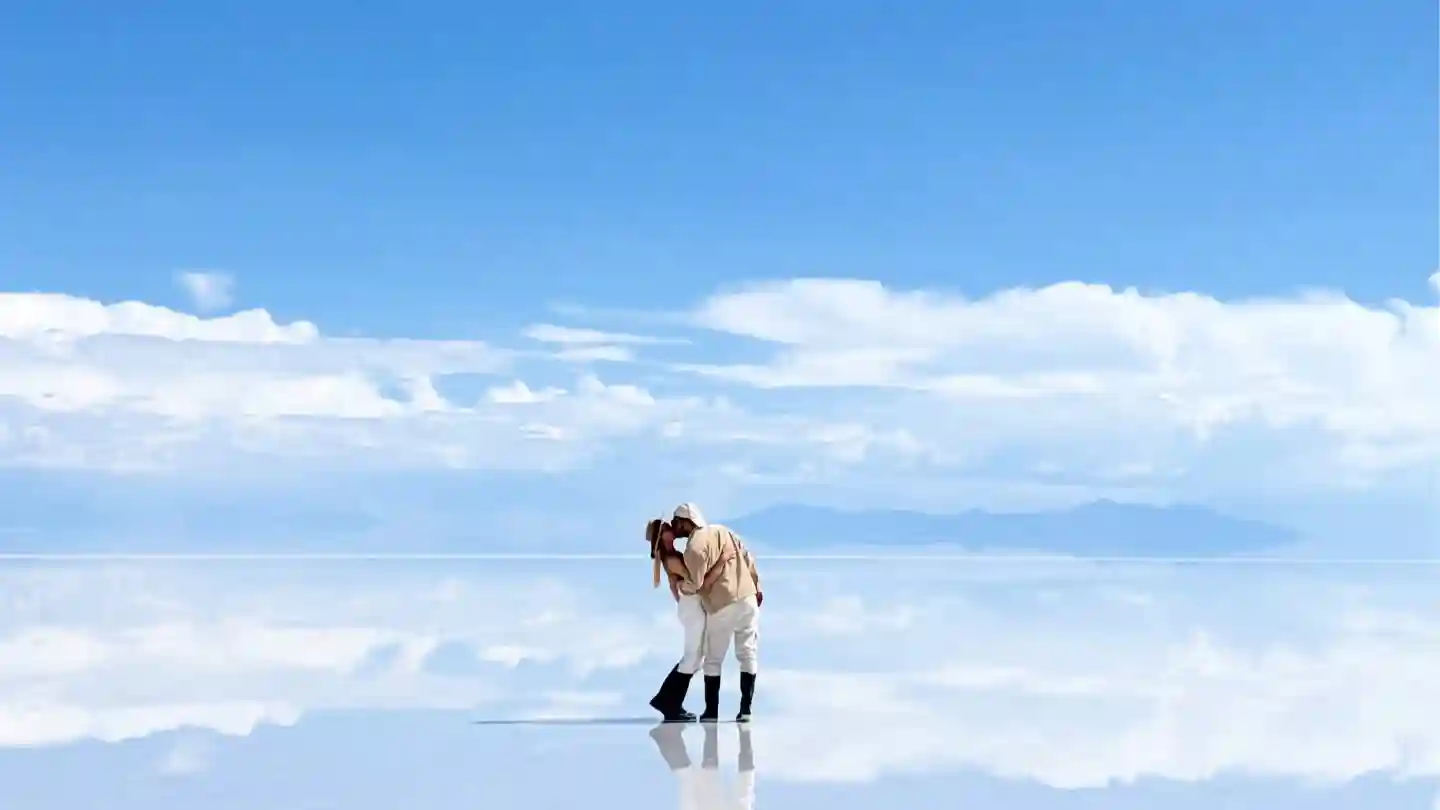
Table of Contents
- Quick Info Box
- Introduction: The White Desert
- Historical & Geological Significance
- Reality Check: The Honest Truth
- Top Things to Do: Every Possible Activity
- Photography & Instagram Guide
- Exact Location & Navigation
- Weather, Climate & Seasonal Warnings
- Essential Visitor Facilities
- Estimated Budget Guide
- What to Pack
- Safety & Responsible Tourism
- Nearby Attractions (The 3-Day Circuit)
- Where to Eat & Stay Nearby
- Frequently Asked Questions (FAQs)
Quick Info Box
- Exact Location: Potosí Department, Southwest Bolivia.
- GPS Coordinates: 20.1338° S, 67.4891° W.
- Best Time to Visit: December to April (for the mirror effect) or May to November (for dry, clear access to the entire flat).
- Entry Fees: Access to the salt flats is technically free, but you pay a municipal tax at Colchani (approx. 30 BOB) and entry to Isla Incahuasi (30 BOB for foreigners / approx. 1,400 LKR equivalent).
- Vibe/Highlight: A harsh, blindingly white, infinite expanse that messes with your depth perception.
- Local Names: Salar de Tunupa (Aymara native name).
Introduction: The White Desert
Stepping onto Salar de Uyuni feels like walking on another planet. The ground beneath your boots consists of interlocking hexagonal crusts of pure salt. It crunches loudly with every step.
During the dry season, the horizon stretches endlessly, blending the stark white ground into the deep blue Bolivian sky. There are no trees, no shadows, and absolutely zero reference points. The scale of this place shatters your normal sense of distance.
During the wet season, a thin layer of water turns the entire 10,000-square-kilometre expanse into the world’s largest mirror. Clouds reflect perfectly on the ground. You literally cannot tell where the earth ends and the sky begins.
Historical & Geological Significance
Long before it became a hotspot for Bolivia salt flats tours, this area was a prehistoric lake. Around 40,000 years ago, Lake Minchin evaporated under the harsh Andean sun. It left behind a crust of salt that is up to 10 metres thick in certain areas.
Local Aymara legends tell a much more human story. They believe the mountains surrounding the flats, Kusku, Kusina, and Tunupa, were giant figures. Kusku betrayed his wife Tunupa for Kusina. Tunupa’s tears, mixed with breast milk for her son, flooded the plains and dried into the vast white desert you see today.
Today, this salt crust hides a massive geological treasure. Roughly 50 to 70 per cent of the world’s known lithium reserves sit directly beneath Salar de Uyuni. This element powers your smartphone, laptop, and modern electric cars.
Reality Check: The Honest Truth
Instagram photos of toy dinosaurs and perfect reflections omit a harsh reality. Salar de Uyuni sits at an elevation of 3,656 metres (11,995 feet). The air is incredibly thin, and altitude sickness (locally known as soroche) hits a massive percentage of visitors.
The environment is aggressively unforgiving. The sun reflects off the white salt with intense ferocity, meaning you can get severe sunburns up your nose and under your chin. You must wear high-quality sunglasses to prevent snow blindness.
Tours here are raw and physically taxing. You will spend hours crammed inside a Toyota Land Cruiser with five strangers. Roads do not exist on the flats; it is a bumpy, chaotic drive. Washrooms are practically non-existent once you leave the edges of the salt flat.
Top Things to Do: Every Possible Activity
Explore the Train Cemetery (Cementerio de Trenes)
Most Uyuni tours start just outside the main town at the Train Cemetery. In the late 19th century, British engineers built a railway network here to transport minerals to the Pacific. The mining industry collapsed in the 1940s, and the trains were abandoned. Today, rusted steam locomotives sit half-buried in the desert sand, heavily covered in graffiti.
Visit the Colchani Salt Processing Village
Colchani is the last settlement before you enter the actual salt flat. It is a dusty, windswept town where locals mine and process salt using very basic, manual methods. You will see small family-run factories drying salt over open fires. It is also the main spot to buy cheap llama-wool jumpers and salt souvenirs, though it can feel heavily commercialised.
Stand at the Dakar Monument & Playa Blanca
The Dakar Rally passed through Bolivia several times, and a large monument made entirely of salt blocks commemorates this. Nearby sits the old Playa Blanca salt hotel. It is no longer a functioning hotel due to environmental regulations, but it serves as a bizarre museum. Outside, dozens of international flags planted by former travellers flap violently in the wind.
Hike Isla Incahuasi (The Cactus Island)
In the dead centre of the vast white emptiness sits a jagged, rocky outcrop known as Isla Incahuasi. It is covered in giant Trichocereus cacti, some of which are hundreds of years old and stand over 10 metres tall. Hiking to the top takes about 15 minutes of steep climbing. The reward is a 360-degree panoramic view of the infinite white hexagon crusts.
Stargazing on the Salt Flats
Booking a dedicated nighttime or sunrise tour is arguably the best thing you can do. Far away from any light pollution, the Milky Way becomes incredibly defined. During the wet season, the stars reflect perfectly in the water beneath your feet. You are quite literally floating in space.
Photography & Instagram Guide
Getting the famous perspective-bending photos requires specific techniques. Because there are no visual reference points, your camera’s depth of field goes haywire.
Uyuni photography tips: You must use a narrow aperture (f/8 or f/11) to ensure both the object close to the lens and the person far away remain perfectly in focus. Lie flat on your stomach on the salt to get the best angles. Ask your tour driver for help; they take these photos every single day and know exactly where to place props.
Drones are generally permitted on the salt flats. However, if you take a multi-day tour into the Eduardo Avaroa Andean Fauna National Reserve, drones are strictly banned to protect the flamingo populations.
Exact Location & Navigation
Getting from La Paz to Uyuni
Most travellers start their journey in La Paz. The most popular option is the overnight tourist bus (companies like Todo Turismo or Trans Omar). The journey takes about 10 hours on mostly paved but winding roads.
Flights to Uyuni
For those with less time, Boliviana de Aviación (BoA) operates short daily flights from La Paz directly to Joya Andina Airport in Uyuni. The flight takes roughly 45 minutes.
Entering from Chile
Many backpackers do not start in Bolivia. Instead, they book a 3-day or 4-day tour starting from San Pedro de Atacama in northern Chile. This route takes you backwards through the high-altitude deserts before culminating at the salt flats on the final morning.
Weather, Climate & Seasonal Warnings
There are two distinct seasons here, and they offer completely different experiences.
Dry Season (May to November): The weather is brutally cold, especially from June to August, with nighttime temperatures plummeting to -15°C (5°F). However, the salt flat is completely dry. You can drive across the entire expanse and easily access Isla Incahuasi.
Wet Season (December to April): Heavy rains flood the plains. This creates the famous mirror effect. However, the water makes the salt soft and dangerous for vehicles. You will not be able to cross the entire flat, and Isla Incahuasi is usually totally inaccessible during this time.
Essential Visitor Facilities
Do not expect luxury once you leave the town limits.
- Washrooms: Public toilets are extremely rare. You will find basic (often dirty) facilities at Colchani and Isla Incahuasi. They cost about 5 BOB to use. Bring your own toilet paper and hand sanitiser.
- Mobile Signal: Entel is the most reliable network in Bolivia. You will get a weak 3G signal near the edges of the salt flat, but expect zero connectivity once you drive deeper into the expanse.
- Food & Water: Your tour agency provides all meals. However, bring an extra 2-litre bottle of water per person. Dehydration worsens altitude sickness.
Estimated Budget Guide
Disclaimer: Boliviano (BOB) prices fluctuate. Use this as a baseline estimate for 2024. LKR equivalents are provided for reference.
| Item / Service | Cost for Locals (BOB) | Cost for Foreigners (BOB) | Practical Notes |
| 1-Day Salt Flat Tour | 150 – 200 BOB | 200 – 300 BOB (approx. 13,000 LKR) | Includes lunch and transport. Usually booked in Uyuni town. |
| 3-Day Classic Circuit | 800 – 900 BOB | 900 – 1,200 BOB | Covers food, transport, and basic accommodation for 2 nights. |
| Isla Incahuasi Entry | 15 BOB | 30 BOB | Mandatory if you want to climb the island. Keep the ticket. |
| Eduardo Avaroa Reserve | 30 BOB | 150 BOB (approx. 6,500 LKR) | Required only for multi-day tours heading south. |
| Public Toilets | 2 BOB | 5 BOB | Always carry small coins. Bring your own tissue. |
What to Pack
The extreme environment demands specific gear. Pack these essentials:
- High-SPF Sunscreen & Lip Balm: The UV index here is brutal.
- Polarised Sunglasses: Absolutely non-negotiable to prevent severe eye damage from the white glare.
- Layers: The temperature swings violently. Bring a thermal base layer, a fleece, and a heavy windproof jacket.
- Props: Bring toy dinosaurs, action figures, or Pringles cans for perspective photos.
- Altitude Medication: Acetazolamide (Diamox) helps prevent altitude sickness in Bolivia.
Safety & Responsible Tourism
- Vehicle Safety: Tour accidents happen. Always check the condition of the tyres before getting into a 4×4. Unfortunately, drink-driving is an issue with some budget operators. If you suspect your driver is intoxicated, refuse to get in the car and contact the tourist police.
- Hydration & Altitude: Drink twice as much water as you normally would. Avoid heavy meals and alcohol on your first day at altitude.
- Leave No Trace: Do not leave toilet paper or plastic bottles on the flats. The salt preserves rubbish perfectly.
Nearby Attractions (The 3-Day Circuit)
If you book a multi-day tour, you will leave the salt flats and enter the Eduardo Avaroa Andean Fauna National Reserve.
Laguna Colorada (4-hour drive south): A massive, shallow salt lake dyed a deep, blood-red colour by algae. It is home to thousands of James’s, Andean, and Chilean flamingos. The contrast of the red water, pink birds, and white borax islands is surreal.
Geysers Sol de Mañana (6-hour drive south): At nearly 5,000 metres above sea level, you will find this intense geothermal field. Boiling mud pots and sulphur-spewing fumaroles hiss violently into the freezing morning air.
Laguna Verde (8-hour drive south): Situated at the foot of the dormant Licancabur Volcano near the Chilean border. The water turns a toxic, brilliant emerald green when the wind disturbs the high concentrations of magnesium and arsenic.
Where to Eat & Stay Nearby
Palacio de Sal: Located on the edge of the flats, this luxury hotel is built entirely out of salt. The walls, the beds, and the dining tables are all carved from salt blocks. It offers excellent heating and a high-end restaurant.
Minuteman Revolutionary Pizza: Hidden inside the Tonito Hotel in Uyuni town, this is widely considered the best food in the region. It is an unexpected slice of brilliant pizza in the middle of the Bolivian desert.
Frequently Asked Questions (FAQs)
1. Is it safe to travel to Salar de Uyuni?
Yes, but the main risks are altitude sickness and poor driving standards. Always book with a reputable agency and wear your seatbelt.
2. Can I visit Salar de Uyuni without a tour?
Technically, yes, if you have your own 4×4. However, driving on the salt flats is incredibly dangerous for solo travellers. There are no roads, GPS fails, and getting stuck in soft salt without a radio can be fatal.
3. Will my phone work on the salt flats?
No. Once you leave Colchani and drive onto the white expanse, you will lose all mobile signal. Prepare to be completely disconnected.
4. How cold does it actually get at night?
During the dry winter months (June to August), temperatures drop well below freezing, often hitting -15°C. Most basic tour accommodations have zero central heating. You must bring thermal sleeping bags.
5. Do I need Diamox for the Uyuni salt flats?
If you are flying directly from sea level to Uyuni (3,656m), you are at extremely high risk for acute mountain sickness. Taking Diamox (after consulting a doctor) and resting for 24 hours in La Paz before travelling is highly recommended.